
 By Malik Rehan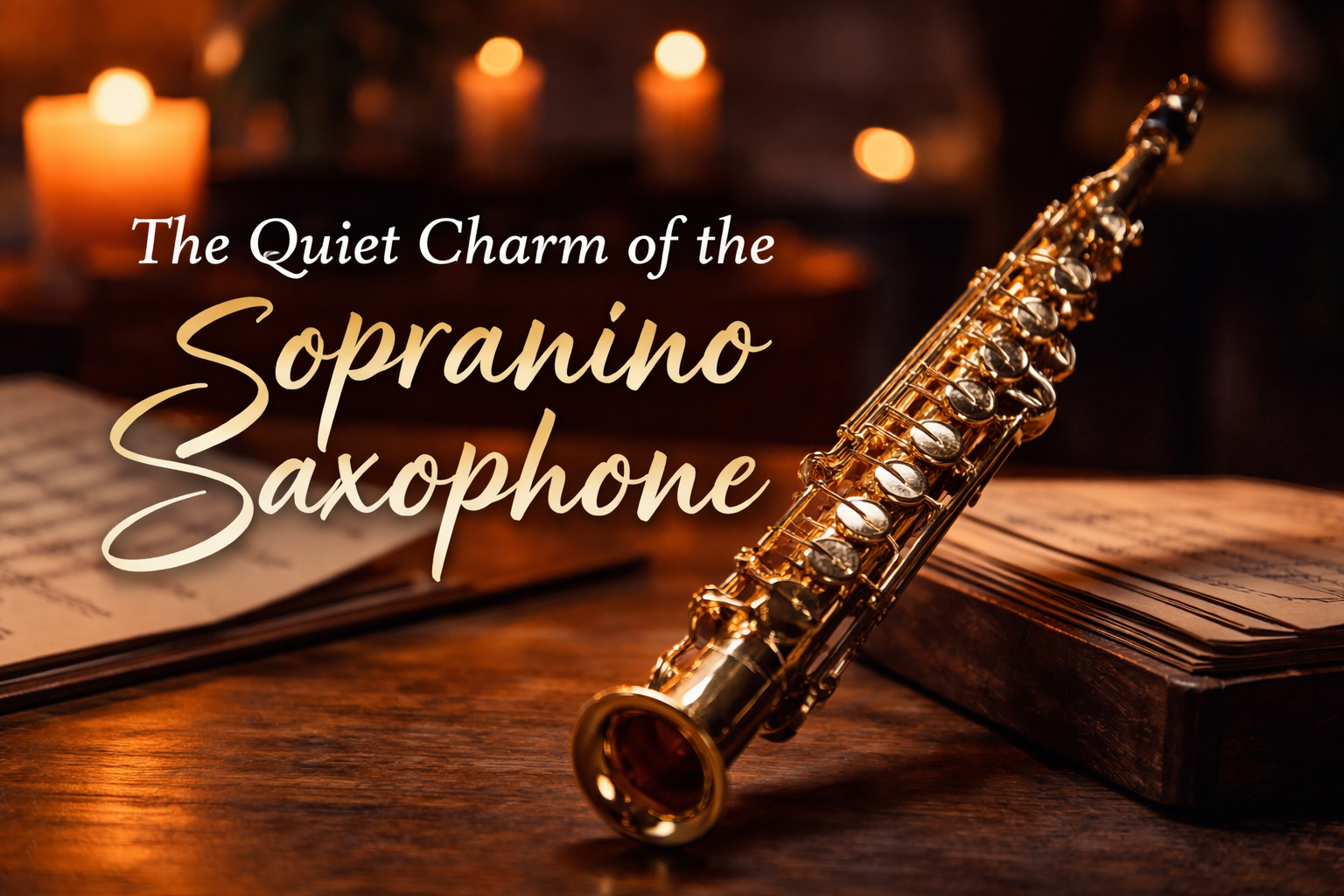
Not every instrument tries to grab your attention. Some just… exist in the background. Waiting. The sopranino saxophone feels like that kind of thing.
It’s small—really small. Almost looks like a toy at first glance. But then you hear it, and suddenly it’s not so cute anymore. It’s sharp, bright, a little wild even.
If you came across the term <saxofon sopranino> and paused for a second… yeah, that makes sense. It’s not something you hear about every day.
So… what actually is it?
Okay, simple version.
The sopranino saxophone is the smallest sax in the family. It’s tuned in E♭ and plays higher than the soprano sax. Like, noticeably higher.
And that high pitch? It’s not soft or mellow. It cuts through everything. Sometimes beautifully, sometimes… a bit too much. Depends on who’s playing.
Where it fits (quick look)
| Sax Type | Size | Sound Feel | Where You Hear It |
|---|---|---|---|
| Sopranino | Tiny | Very sharp/high | Rare, experimental |
| Soprano | Small | Clear, focused | Jazz, classical |
| Alto | Medium | Smooth, balanced | Schools, bands |
| Tenor | Bigger | Warm, deep-ish | Jazz, blues |
| Baritone | Huge | Heavy, low | Big bands |
So yeah… sopranino is basically the “highest voice in the room.” Whether you want that voice there is another question.
Why don’t people use it much?
Honestly? A few reasons. And none of them are surprising.
- It’s hard to control
- The pitch can get… screechy if you’re not careful
- Not many songs are written for it
- Most players just stick to alto or tenor
And also—habit. Musicians get comfortable. Trying something this different? Not always appealing.
But still. Some people love it because it’s different.
The sound… hard to explain
It’s not warm. Not cozy. Definitely not background music.
It’s more like—
A bright line cutting through everything else.
Sometimes it almost feels like a whistle. Other times, kind of airy. And then suddenly… sharp again. It changes quickly, which makes it exciting—but also risky.
One small mistake, and yeah… everyone hears it.
Who actually plays this thing?
Not your average band kid, that’s for sure.
You’ll mostly find it with:
- Experimental jazz musicians
- People who like unusual sounds
- Studio artists layering weird textures
- Players who already mastered other saxes and got bored
It’s not common. But when someone uses it well… you notice.
Can beginners try it?
You can. But… you probably shouldn’t.
Here’s why:
- Tiny size = harder finger control
- Needs really precise breathing
- Staying in tune is tricky
- Not many tutorials or teachers for it
Most people start with alto. It’s just easier. Makes sense.
Sopranino feels more like… level 3 or 4. Not level 1.
Design-wise
Nothing too crazy, but still interesting.
You’ll see two main styles:
- Straight (looks like a mini soprano sax)
- Curved (a bit easier to hold, honestly)
Same materials as other saxophones—mostly brass. Sometimes shiny gold, sometimes silver. Looks cool either way.
But yeah… it’s rare. So finding one isn’t always easy. And price? Not cheap.
Quick pros & cons
Good stuff:
- Unique sound (like, really unique)
- Easy to carry around
- Stands out instantly
- Fun for experimenting
Not-so-good:
- Hard to play properly
- Limited use in normal music
- Can sound harsh
- Not beginner-friendly at all
Final thoughts… kind of
The sopranino saxophone isn’t trying to compete with alto or tenor. It’s not even in the same race.
It’s more like… off to the side. Doing its own thing.
And that’s either exactly what you want—or not at all.
If you like safe, predictable instruments… this probably isn’t for you. But if you’re curious, a bit experimental, maybe even a little bored of the usual stuff—then yeah. It might be worth exploring.
Not easy. Not common.
But definitely interesting.
 Admin
Admin