
 By Malik Rehan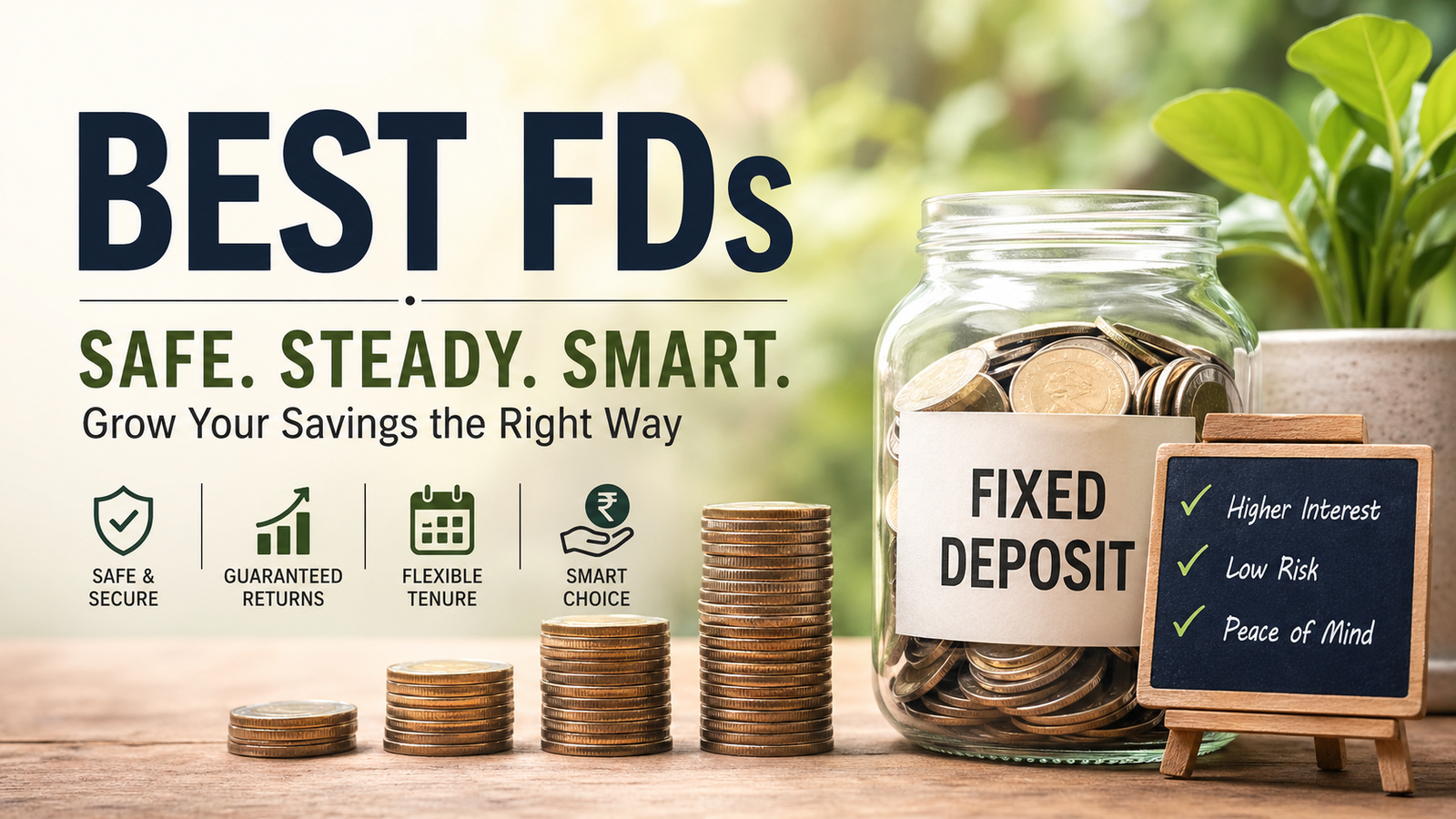
Let’s be honest—when people hear “fixed deposits,” they often think… boring. Safe, yes. Reliable, sure. But exciting? Not really.
And yet, if you zoom out a little, “best FDs” (fixed deposits) are quietly doing something powerful. They protect your money. They grow it—slowly, steadily. No drama. No late-night stress checking market charts.
So yeah… maybe boring isn’t so bad after all.
What Are FDs, Really?
A fixed deposit (FD) is basically a deal between you and a bank. You give them money for a fixed time. They promise to return it with interest.
That’s it.
No ups and downs like stocks. No guessing games. Just predictability—which, honestly, feels kind of refreshing these days.
Why People Still Love FDs
Even with flashy investment options everywhere, FDs haven’t gone anywhere. There’s a reason for that.
Here’s why people keep coming back:
- Safety first – Your money is secure (especially in trusted banks)
- Guaranteed returns – No surprises, no market crashes
- Flexible tenure – From a few months to several years
- Easy to understand – No financial jargon headaches
- Good for beginners – Perfect if you’re just starting out
And sometimes… you just want peace of mind. Not everything needs to be high risk.
Types of Fixed Deposits (Yeah, There Are a Few)
Not all FDs are exactly the same. Banks offer different flavors depending on your needs.
Common Types:
- Regular FD – Standard option with fixed interest
- Senior Citizen FD – Higher interest rates (nice bonus)
- Tax-Saving FD – Lock-in period but helps reduce taxes
- Recurring Deposit (RD) – Deposit small amounts monthly
- Flexi FD – Linked with savings account for flexibility
And choosing the “best” one? It depends on your situation… not just the interest rate.
Quick Comparison Table
Here’s a simple breakdown to help you see the difference:
| FD Type | Interest Rate | Lock-in Period | Best For |
|---|---|---|---|
| Regular FD | Medium | Flexible | General savings |
| Senior Citizen FD | Higher | Flexible | Retirees |
| Tax-Saving FD | Medium | 5 years | Tax benefits |
| Recurring Deposit | Medium | Flexible | Monthly savers |
| Flexi FD | Medium | Flexible | Liquidity + savings balance |
Not complicated… just different tools for different goals.
How to Find the Best FDs
Okay, now the real question—how do you actually pick the best FD?
It’s not just about chasing the highest interest rate. That’s part of it, sure. But there’s more.
Look at these factors:
- Interest Rate
Higher is better… but don’t ignore other aspects. - Bank Reputation
Stick with reliable banks. Safety matters more than a tiny extra percentage. - Tenure Options
Choose a time frame that fits your goals. Don’t lock money you might need. - Penalty Rules
Early withdrawal fees can be annoying—check them. - Compounding Frequency
Quarterly compounding = better returns over time.
And yeah… sometimes the difference between two FDs is small. Don’t overthink it.
A Helpful Resource
If you’re still comparing options or just exploring what works best, you can check this guide on best fds. It gives a broader look at choices and helps simplify the decision-making process.
Sometimes you just need someone to lay it all out clearly.
FD vs Other Investments (Quick Reality Check)
Let’s not pretend FDs are perfect.
Here’s how they stack up:
- FD vs Stocks
Stocks = high risk, high return
FDs = low risk, stable return - FD vs Mutual Funds
Funds can grow faster… but also fall
FDs stay predictable - FD vs Savings Account
FDs usually offer higher interest
Savings accounts offer more flexibility
So yeah—it’s not about “better” or “worse.” It’s about what fits your comfort level.
Small Tips That Actually Help
You don’t need to be a finance expert. Just keep a few simple things in mind:
- Don’t put all your money in one FD
- Consider laddering (multiple FDs with different durations)
- Reinvest interest if you don’t need it immediately
- Keep an emergency fund separate
- Review rates every year… they change
Little habits. Big difference over time.
Who Should Invest in FDs?
Honestly? Almost anyone.
But they’re especially good for:
- Students starting to save
- Salaried individuals wanting stable returns
- Retirees needing predictable income
- Risk-averse investors (you know who you are)
And if you’re someone who just doesn’t want financial stress… FDs feel like a safe place to start.
The Not-So-Perfect Side
Let’s keep it real for a second.
FDs do have downsides:
- Returns may not beat inflation
- Money gets locked for a period
- Not ideal for aggressive growth
So yeah… they’re not going to make you rich overnight.
But they’ll keep you steady. And sometimes that’s exactly what you need.
Final Thoughts (Not Too Formal… Promise)
“Best FDs” isn’t about chasing perfection. It’s about finding what works for you.
Some people want growth. Some want safety. Some want both—and that’s okay too.
FDs won’t give you thrilling stories to tell. No wild wins. No dramatic losses. Just quiet, consistent progress.
And honestly… that kind of reliability? It’s underrated.
So take your time. Compare options. Start small if needed.
And let your money grow—slowly, surely… without all the noise.