
 By Malik Rehan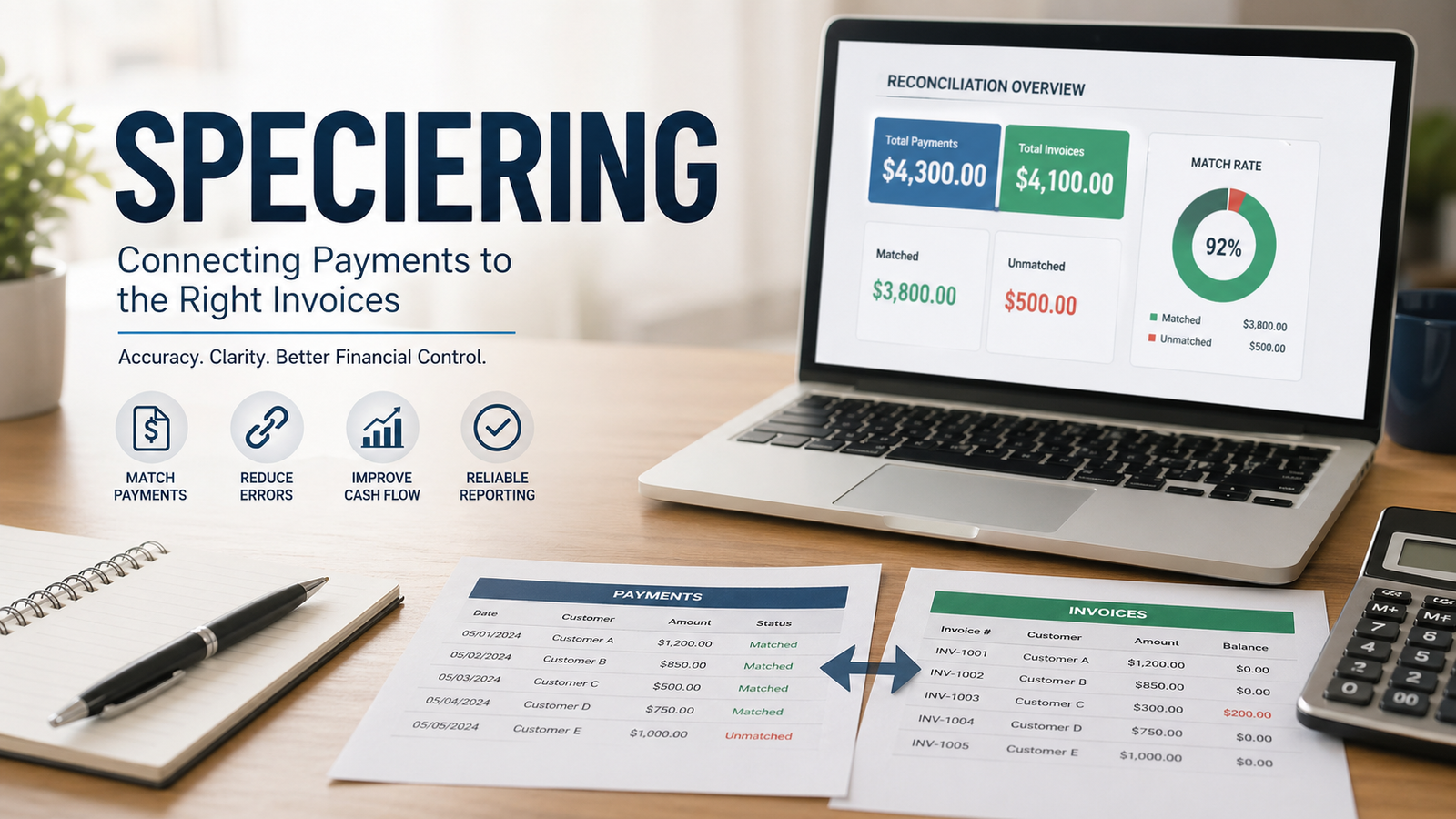
Let’s be honest for a second—speciering is not a word most people wake up thinking about.
It’s not exciting. It doesn’t sound important. And honestly, the first time you hear it, you might just… ignore it.
But if you’ve ever dealt with invoices, payments, or even tried to track who paid what (and when)… yeah, you’ve already felt speciering. Even if you didn’t know the name.
And once you get into it a bit, you realize—it’s kind of a big deal.
So… What Is Speciering?
In simple terms, speciering is the process of matching a payment to the right invoice or account.
That’s it.
But also… not really.
Because in real life, payments aren’t always neat and tidy. People don’t always follow instructions. Sometimes they forget invoice numbers. Sometimes they just send money with a note like “for last month.”
Last month what?
So then someone—maybe you—has to figure it out.
That process? That slightly annoying, sometimes confusing matching game? That’s speciering.
Why It’s More Important Than It Sounds
You might think, “Okay, but I can just track things manually. No big deal.”
And sure… you can.
At first.
But then things start piling up.
- One customer pays less than expected
- Another sends one payment for three invoices
- Someone overpays (rare, but it happens)
- And one payment shows up with zero reference
Now you’re digging through emails, spreadsheets, maybe even old WhatsApp chats trying to figure out what belongs where.
It gets messy. Fast.
And when speciering isn’t handled properly, weird things start happening:
- Your records say an invoice is unpaid… but it’s actually paid
- You send reminders to customers who already paid (awkward, again)
- Reports don’t match reality
- You lose track of actual cash flow
It’s not dramatic at first. Just small inconsistencies. But they build up.
A Simple Example (Because This Helps)
Let’s break it down in a way that actually makes sense:
| Situation | Without Proper Speciering | With Proper Speciering |
|---|---|---|
| Payment of $300 received | “Okay… for what?” | Matched to Invoice #201 |
| Customer pays partial amount | Marked unpaid | Marked partially paid |
| One payment for multiple invoices | Confusion | Split and assigned correctly |
| Extra payment received | Might go unnoticed | Logged and handled properly |
See? It’s not complicated… but it does require attention.
The Real-Life Struggle (No One Talks About This)
Here’s the part that feels very human.
Speciering isn’t just numbers. It’s guessing sometimes.
Yeah, guessing.
You look at a payment and think:
“Okay… this amount kind of matches that invoice… maybe?”
And then you double-check. And maybe send a message. Or wait. Or just decide and move on.
Not ideal—but real.
And sometimes, you make the wrong call. It happens.
Manual Speciering vs Automation
There are basically two ways people handle this.
1. Manual (aka the old-school way)
- You check each payment yourself
- You match it manually
- You update records
It’s slow. A bit tiring. But it gives you control.
And honestly, a lot of small businesses still do it this way.
2. Automated Speciering
This is where software comes in.
- It automatically matches payments using rules
- Looks at references, amounts, patterns
- Saves a lot of time
Sounds perfect, right?
Well… not exactly.
Because automation depends on clean data. And people? They’re not always consistent.
So yeah, it helps. A lot. But you still need to review things.
You can’t just “set it and forget it.”
Common Problems (And Yeah, They’re Annoying)
Some things just keep coming up again and again:
- Missing references
People forget. Or don’t care. - Weird payment amounts
Like paying 497 instead of 500… why? - Delayed entries
Payment comes before invoice is recorded - Currency differences
Especially if you’re dealing internationally
And sometimes… there’s just no explanation. A random number shows up and you’re left thinking, “Cool. Now what?”
Making Life a Little Easier
You can’t fix everything. But you can make it less painful.
Try this:
- Ask customers to include invoice numbers (remind them… often)
- Keep your invoices clear and consistent
- Use software—but don’t rely on it blindly
- Check records regularly (don’t let things pile up)
- And when in doubt… just ask
Seriously. A quick message can save 30 minutes of guessing.
A Small Shift That Changes Things
Here’s something interesting…
When you start paying attention to speciering, you actually understand your finances better.
Like, way better.
You start noticing patterns:
- Who pays late
- Who always underpays
- Who sends confusing payments
And that awareness? It helps you improve everything else.
It’s subtle. But powerful.
If You Want to Explore More
If you’re curious and want a slightly deeper (but still understandable) breakdown, you can check this page on speciering.
It explains things in a bit more structured way—helpful if you’re trying to actually apply it somewhere.
Final Thought… Or Something Like That
Speciering isn’t exciting. It’s not something you brag about.
But it’s one of those quiet processes that keeps everything from falling apart.
When it’s done right, no one notices.
When it’s done wrong… you definitely notice.
And maybe that’s enough reason to care about it just a little more.
Even if it’s a bit messy. Even if it takes time.
Because at the end of the day, it’s not just about numbers lining up.
It’s about knowing what’s actually going on.
And that? That’s worth it.
 Admin
Admin