
 By Malik Rehan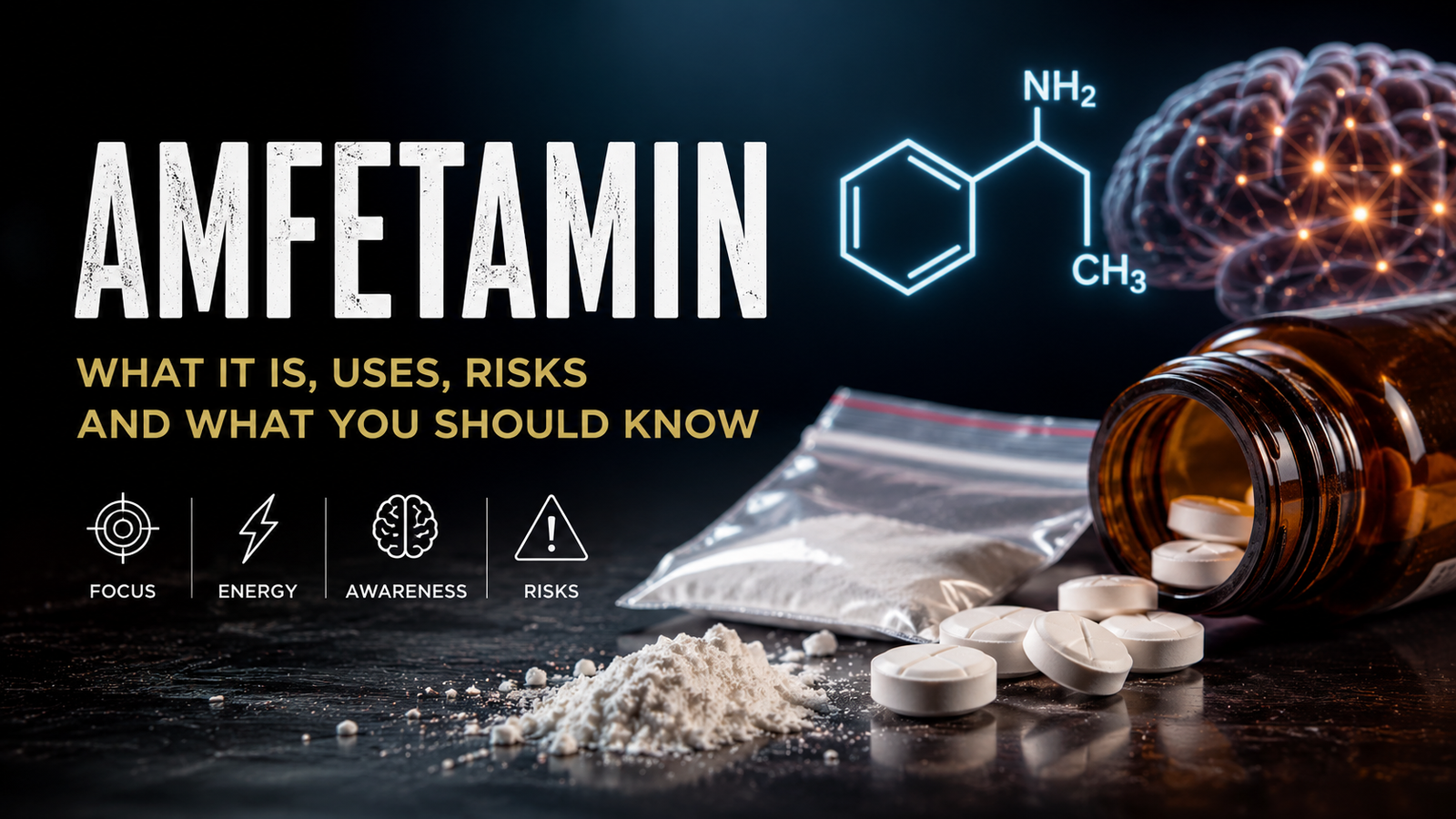
Some words suddenly start appearing everywhere online… and “amfetamiin” feels like one of them lately. You see it in Reddit threads, random TikTok comments, health forums, even in conversations about productivity and focus. At first, most people don’t really know what it means. They just keep seeing the word again and again.
And honestly, that curiosity makes sense.
In simple terms, amfetamiin — often called amphetamine in English — is a stimulant. It affects the brain and nervous system, making people feel more awake, energetic, and focused for a period of time. Some forms are prescribed medically, while others are used illegally or recreationally.
That difference matters more than people realize.
The internet usually talks about this topic in extremes. Some people describe it like a miracle focus tool. Others make it sound terrifying. Real life is a little more complicated than both of those versions.
If you searched for amfetamiin, chances are you just wanted a normal explanation without robotic medical language. So here it is.
What Is Amfetamiin, Really?
At its core, amfetamiin is a substance that speeds up activity in the brain and body. People who use it may feel more alert, less sleepy, more confident, or unusually focused for a while.
Doctors sometimes prescribe amphetamine-based medicines for conditions like ADHD or certain sleep disorders. In those situations, the doses are controlled carefully and monitored properly.
But outside medical use… things can change fast.
Some people misuse stimulants because they want extra energy. Others believe it helps them study longer, work harder, or stay awake through long shifts. And honestly, modern life probably plays a role here too. Everyone feels pressure to do more, work more, stay productive longer.
That pressure pushes people toward shortcuts sometimes.
Why Are So Many People Searching for It?
A big reason is social media.
People casually mention stimulants online now in ways that barely happened years ago. You’ll hear phrases like “study drugs” or “focus boosters” tossed around almost casually. Younger audiences get curious quickly after hearing those conversations.
Movies and documentaries also add to the attention. Crime series especially love mentioning amphetamines, which makes people search the term afterward.
But not every search comes from curiosity alone.
Sometimes people are worried about someone they know. A friend acting differently. A partner staying awake for days. Someone suddenly becoming overly energetic or restless. That happens too.
And then there are people who simply notice the word on medication labels or health discussions and want a clearer explanation.
So yeah… the searches come from all kinds of places.
Is It Safe or Dangerous?
The honest answer is: it depends heavily on how it’s used.
Prescription use under medical supervision is completely different from random recreational use. That’s the part people online often mix together.
When prescribed correctly, stimulant medications can genuinely help certain individuals focus better and manage daily life more effectively.
But misuse carries real risks.
Too much stimulant use can lead to:
- Anxiety
- Sleep problems
- Mood swings
- Fast heartbeat
- Dependency over time
And sometimes the problem builds slowly. At first, users may simply feel more productive or energetic. They think everything is under control.
Then the crashes begin.
No proper sleep. Mental exhaustion. Irritability. Feeling emotionally drained afterward. Heavy misuse can even affect mental health badly over time.
Here’s a simple breakdown:
| Type of Use | Possible Outcome |
|---|---|
| Doctor-supervised use | More controlled and monitored |
| Recreational misuse | Higher physical and mental risks |
| Taking unknown street versions | Dangerous and unpredictable |
| Following prescriptions correctly | Lower risk overall |
Not perfect, maybe. But that table explains the situation better than long complicated medical terms.
Real-Life Situations People Relate To
A university student uses stimulants during exam week hoping to stay awake longer and memorize faster. At first, it feels amazing. More focus. More confidence.
But after a few days? Total exhaustion.
Or maybe someone working overnight shifts starts relying on stimulants just to stay awake through long hours. It works temporarily… until the body pushes back.
Then there are legitimate medical users. Some people with ADHD take prescribed stimulant medication responsibly for years and experience major improvements in work, school, and routine life.
That’s why conversations around amfetamiin feel confusing online. People are often talking about completely different situations while using the same word.
A Few Things Worth Remembering
The internet sometimes makes stimulants sound casual. Almost harmless. But real life usually isn’t that simple.
A few important things people forget:
- More energy doesn’t always mean better health
- Sleep matters more than people admit
- Dependency can happen gradually
- Online advice is often unreliable
- Medical treatment and misuse are not the same thing
And honestly… chasing nonstop productivity rarely ends well for anyone long term.
FAQs
Is amfetamiin addictive?
Yes, it can become addictive when misused repeatedly or taken without proper medical supervision.
Why do students talk about it so much?
Mostly because stimulants are often linked with focus, studying longer, and staying awake during exams.
Is medical use safer?
Generally yes, because it’s monitored by healthcare professionals with controlled doses.
Final Thoughts
Amfetamiin is one of those topics people quietly search at night. Out of curiosity. Concern. Sometimes because they’re trying to understand someone around them.
And the truth is less dramatic than the internet makes it seem.
It’s neither a magical productivity answer nor something every conversation should sensationalize. Context matters. How it’s used matters. Why it’s used matters too.
That’s probably the most honest way to look at it.