
 By Malik Rehan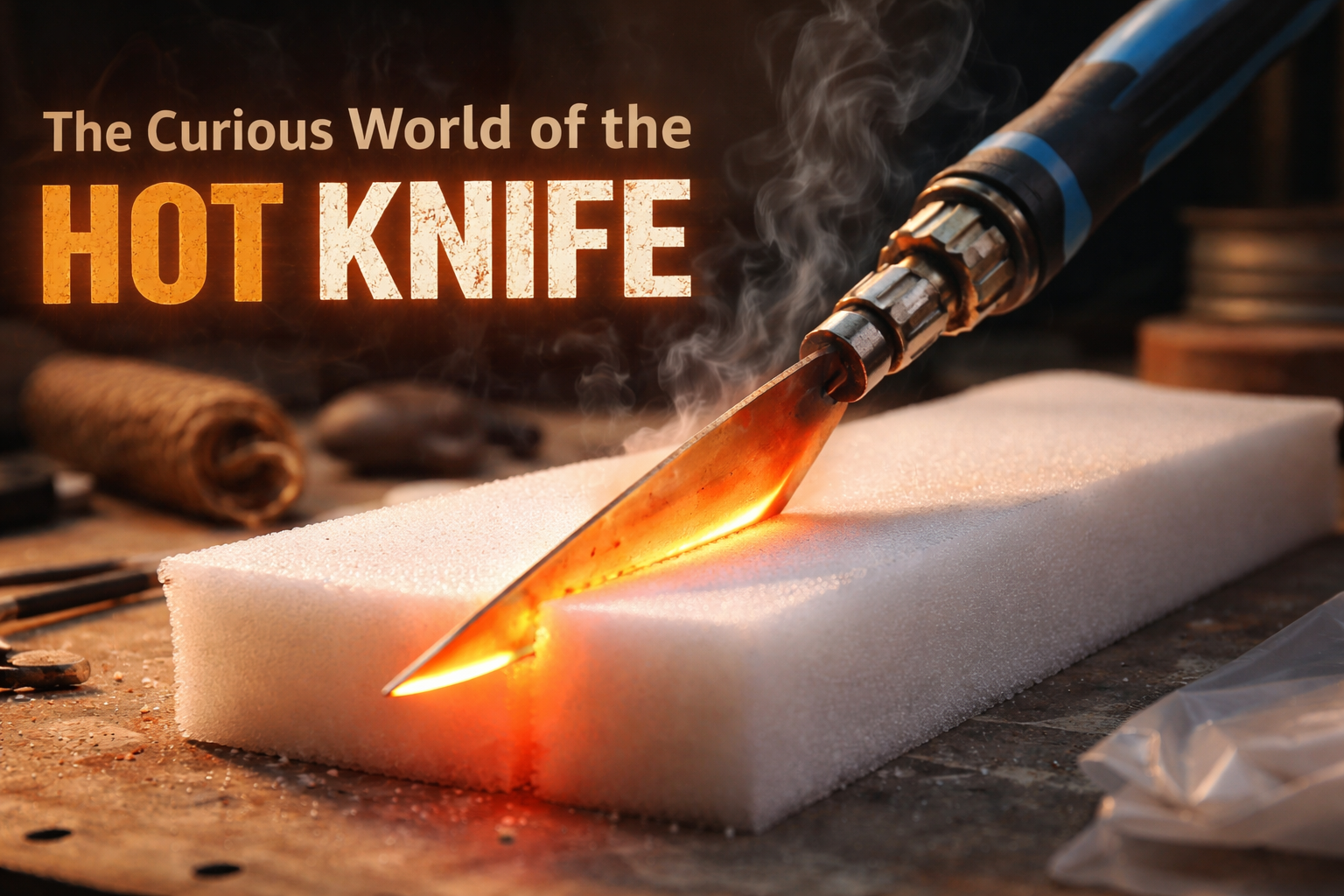
There’s something oddly fascinating about the idea of a “hot knife.” It sounds intense… maybe even a little dangerous at first. But once you slow down and really look at it, it’s actually a pretty simple concept. A blade, heated up, used for cutting. That’s it. And yet, the uses? Surprisingly wide.
You’ve probably come across the term somewhere online. Maybe in DIY videos, maybe in a random forum thread. Or maybe you stumbled onto it while reading about tools and techniques—like this quick guide on hot knife that got people talking.
So what exactly is a hot knife, and why do people use it?
What Is a Hot Knife, Really?
At its core, a hot knife is just a blade that’s been heated to a high temperature so it can cut through materials more easily. Instead of forcing your way through something tough, the heat does part of the work.
It melts, softens, or loosens whatever you’re cutting. Clean, smooth… almost effortless in some cases.
And yeah, that’s kind of the appeal.
Common Uses of a Hot Knife
You might think it’s some niche thing—but it pops up in more places than you’d expect.
Here are a few everyday (and not-so-everyday) uses:
- Cutting foam and plastic
Especially in crafts or construction. The heat helps avoid rough edges. - Rope sealing
Synthetic ropes tend to fray. A hot blade cuts and seals at the same time. Neat, right? - Food slicing (in some kitchens)
Think cheese or certain desserts. Warm blades glide better. Less sticking. - DIY and hobby projects
Model makers and hobbyists use hot knives for precision work. - Industrial applications
Factories use specialized heated blades for mass cutting of materials.
And honestly… each use has its own little learning curve.
Why People Prefer It (Sometimes)
It’s not always about speed. Sometimes it’s about control. Or finish. Or just convenience.
Here’s a quick breakdown:
| Feature | Regular Knife | Hot Knife |
|---|---|---|
| Cutting Effort | Higher | Lower (heat assists) |
| Edge Finish | Rough or uneven | Smooth, sealed edges |
| Material Handling | Limited | Works on tougher materials |
| Safety Level | Moderate | Requires extra caution |
So yeah… it’s not necessarily “better” in every situation. But in the right context? It really shines.
A Word on Safety (Because… yeah, important)
Let’s not ignore the obvious here. You’re dealing with heat. And blades. Not exactly a harmless combo.
A few things people often overlook:
- Always handle with insulated grips or gloves
- Never leave a heated blade unattended
- Keep it away from flammable materials
- Let it cool down properly before storing
And… don’t rush. That’s when mistakes happen.
DIY Hot Knife — Worth It?
A lot of people try to make their own. Sometimes it’s as simple as heating a metal blade over a flame.
But here’s the thing…
It works, sure. But it’s not always consistent. And sometimes, not very safe either.
If you’re planning to use it regularly, investing in a proper tool might make more sense. They’re designed to maintain steady temperatures and come with better handling.
Still, for a one-time project? DIY can do the job. Just be careful.
The Unexpected Side of It
There’s something kind of satisfying about using a hot knife. The way it slides through material… smooth, almost too easy.
But it also teaches patience.
You can’t rush heat. You wait for it. You respect it. And once you get the hang of it, it feels… controlled. Intentional.
And yeah, maybe that’s why people keep coming back to it.
Final Thoughts (Not too formal, promise)
The “hot knife” isn’t some magical tool. It’s simple. Almost old-school in a way.
But sometimes simple tools are the ones that stick around the longest.
And whether you’re cutting foam for a project, sealing rope ends, or just experimenting… it has its place.
Not everywhere. Not always.
But when it fits—it really fits.
And maybe that’s the whole point.